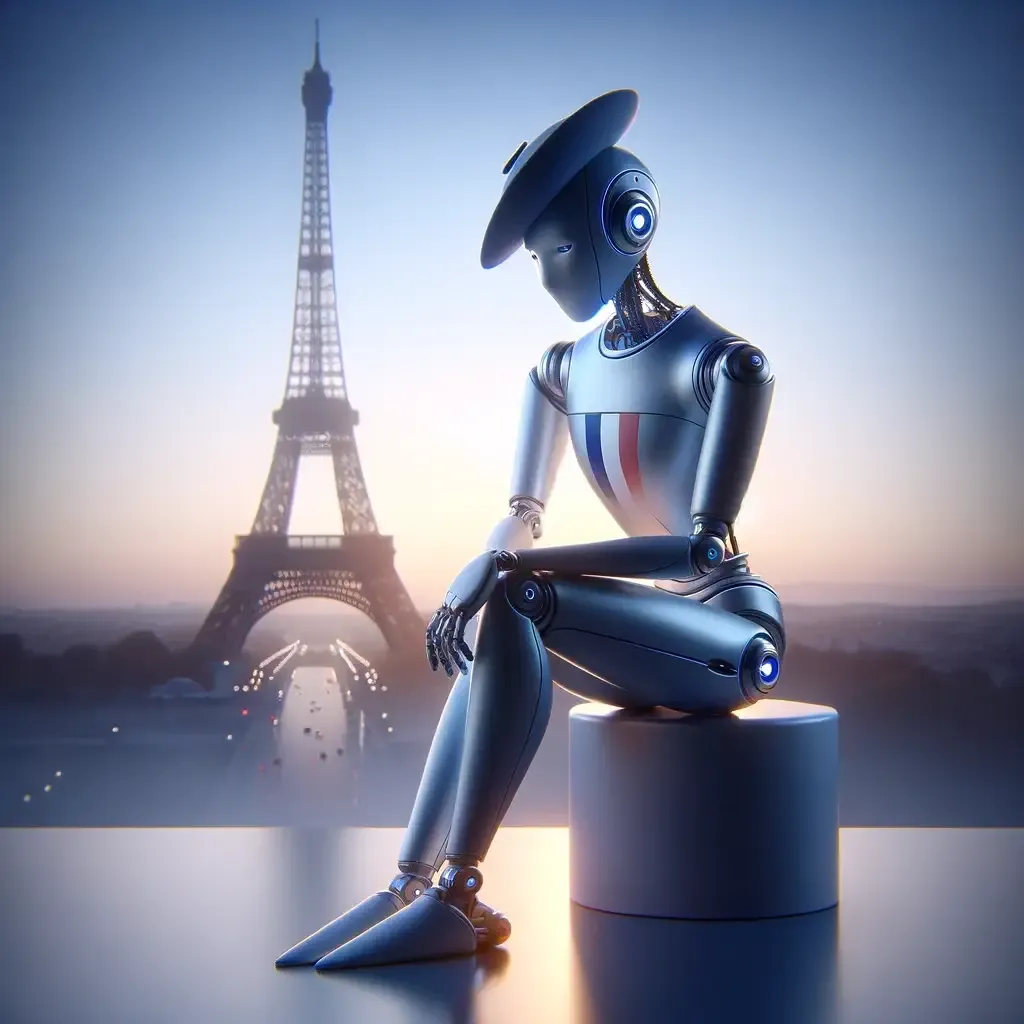
The world of graphic design has always been evolving, but the digital revolution has transformed the industry in unprecedented ways. Today, creating a visual identity or developing an advertising campaign is no longer limited to posters or printed brochures. Advanced digital tools, professional software, and collaborative platforms make it possible to design interactive visuals that adapt to every screen size and meet the specific needs of modern businesses. Across the USA, companies often partner with a logo design agency to build a strong and memorable brand image, understanding that visual communication has become the first language they use to connect with customers. In this rapidly changing environment, graphic designers must continuously embrace innovation to remain competitive and relevant.

From Hand Drawing to the First Technologies: The Foundations of an Art
Before computers and digital design software became the standard, graphic design relied entirely on manual craftsmanship. Pencils, ink, brushes, and drawing boards were the primary tools of visual creators. This period established the foundations of a profession where precision, artistic talent, and patience were essential.
The introduction of printing technologies and photography expanded creative possibilities and allowed designers to reach wider audiences. Although technology gradually improved production methods, the profession remained deeply rooted in traditional artistic techniques. Eventually, the digital era transformed the creative process, making design faster, more flexible, and capable of supporting businesses throughout the USA and around the world.
Digital Creation: From 2D to 3D and Motion Design
With the arrival of professional software such as Adobe Photoshop, Illustrator, and After Effects, graphic design entered a completely new era. Traditional 2D graphics evolved into immersive 3D experiences, animations, and interactive visual content.
Today, logos, corporate identities, websites, mobile applications, and marketing campaigns are designed with movement, interaction, and user experience in mind. Every modern logo design agency uses these advanced technologies to create engaging visual experiences that appeal to today’s digital audience across the USA. From animated advertisements to photorealistic 3D renderings, digital design has become both visually impressive and highly interactive.

Artificial Intelligence: A Threat or an Opportunity for Graphic Designers?
The rise of artificial intelligence has generated significant discussion within the graphic design industry. AI-powered tools can now generate logos, posters, illustrations, and marketing materials in just a few seconds, raising concerns among creative professionals.
However, AI should not necessarily be viewed as a replacement for designers. Instead, it serves as a valuable creative assistant. Artificial intelligence can automate repetitive tasks, generate multiple design concepts, and accelerate the prototyping process. Human designers continue to provide what machines cannot fully replicate: artistic vision, strategic thinking, emotional understanding, and creative storytelling.
For agencies throughout the USA, combining human creativity with AI-powered efficiency has become a competitive advantage rather than a threat.
The Diversification of Graphic Design Careers and the Importance of Soft Skills
The digital era has significantly expanded the range of careers within graphic design. Today’s professionals may specialize as:
- UX Designers
- Motion Designers
- Web Designers
- Digital Illustrators
- Branding Specialists
- Visual Identity Experts
As business needs become increasingly sophisticated throughout the USA, technical expertise alone is no longer enough. Soft skills have become equally important.
Successful graphic designers must communicate effectively, collaborate with clients, manage projects efficiently, solve creative challenges, and understand business objectives. Within a logo design agency, designers do far more than create attractive visuals—they guide companies in building distinctive brands that communicate trust, professionalism, and long-term value.
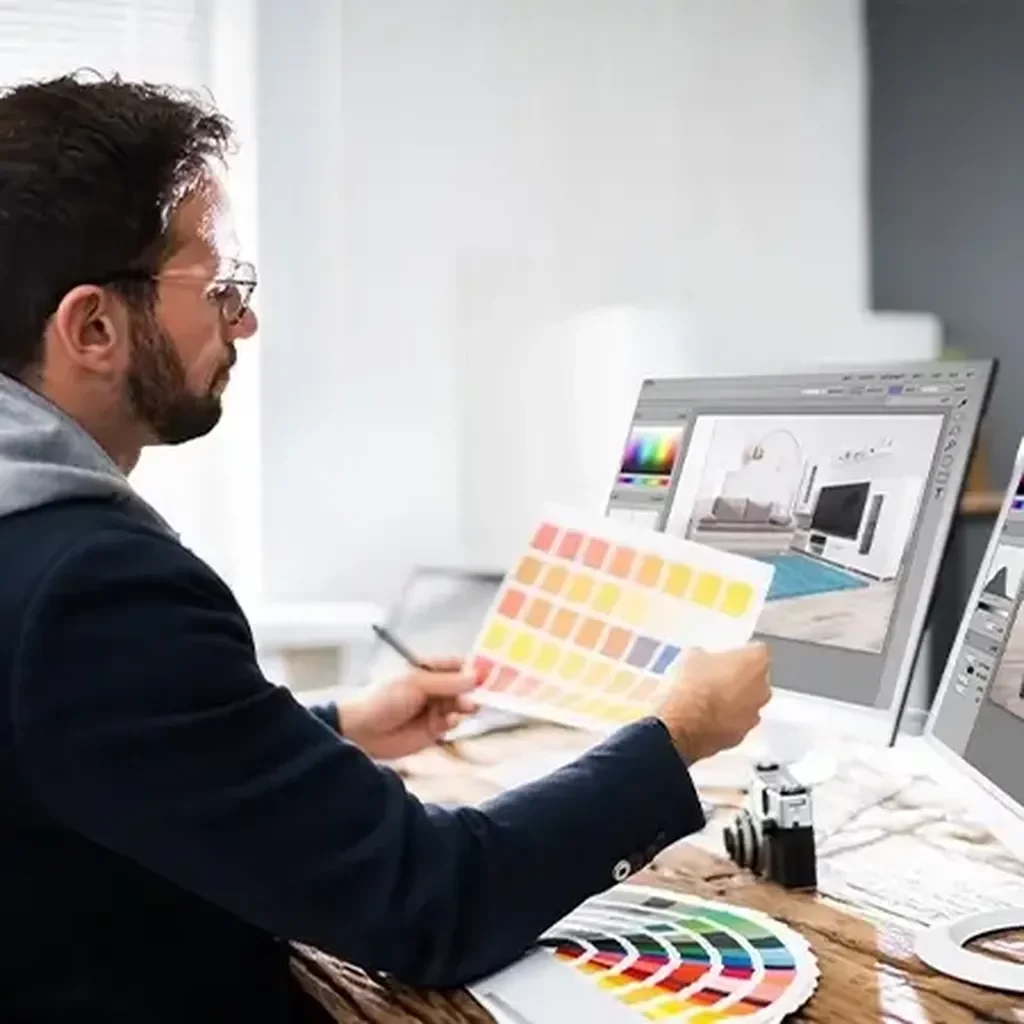
A Future That Is Becoming Even More Digital
The evolution of graphic design is far from over. Emerging technologies such as augmented reality (AR), virtual reality (VR), generative AI, and immersive digital experiences will continue transforming the profession.
Graphic design is moving beyond static images toward highly interactive, multidimensional experiences. Businesses across the USA increasingly recognize that investing in a professional website, a strong visual identity, and modern communication materials is essential for standing out in competitive markets.
For graphic designers, long-term success will depend on balancing creativity with technology while maintaining a strategic understanding of branding and user experience. Rather than replacing traditional design principles, the digital age offers an extraordinary opportunity to reinvent graphic design and place innovation at the center of modern communication.
Conclusion
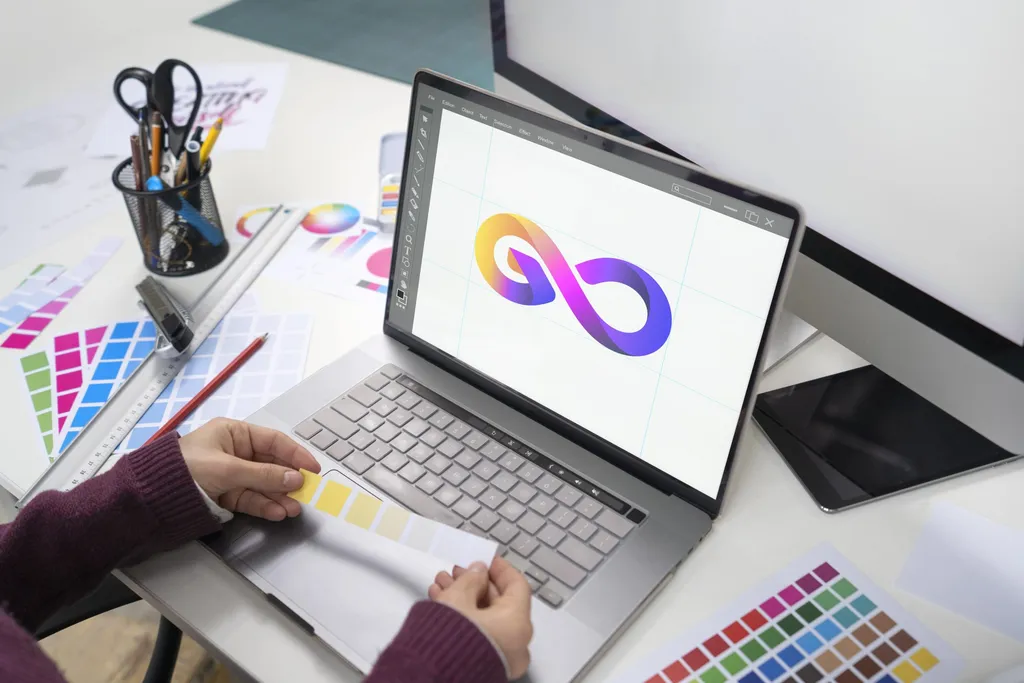
Graphic design has evolved from handcrafted illustrations to intelligent, interactive digital experiences. While technology continues to reshape the industry, the essence of successful design remains unchanged: communicating ideas clearly, creating emotional connections, and strengthening brand identity.
Across the USA, businesses increasingly rely on professional designers and specialized logo design agencies to build memorable brands that thrive in the digital economy. As artificial intelligence, immersive technologies, and new creative tools continue to emerge, graphic designers who embrace innovation while preserving human creativity will remain at the forefront of visual communication for years to come.