
Artificial Intelligence (AI) has become one of the most significant technological revolutions of our time. Present in our smartphones, entertainment platforms, and even workplace tools, AI is fundamentally transforming the digital world. For developers, it represents both an unprecedented opportunity and a source of concern. The real question is no longer whether AI will replace developers, but rather how developers can integrate AI into their daily work in order to remain competitive in fast-growing technology markets such as the USA.
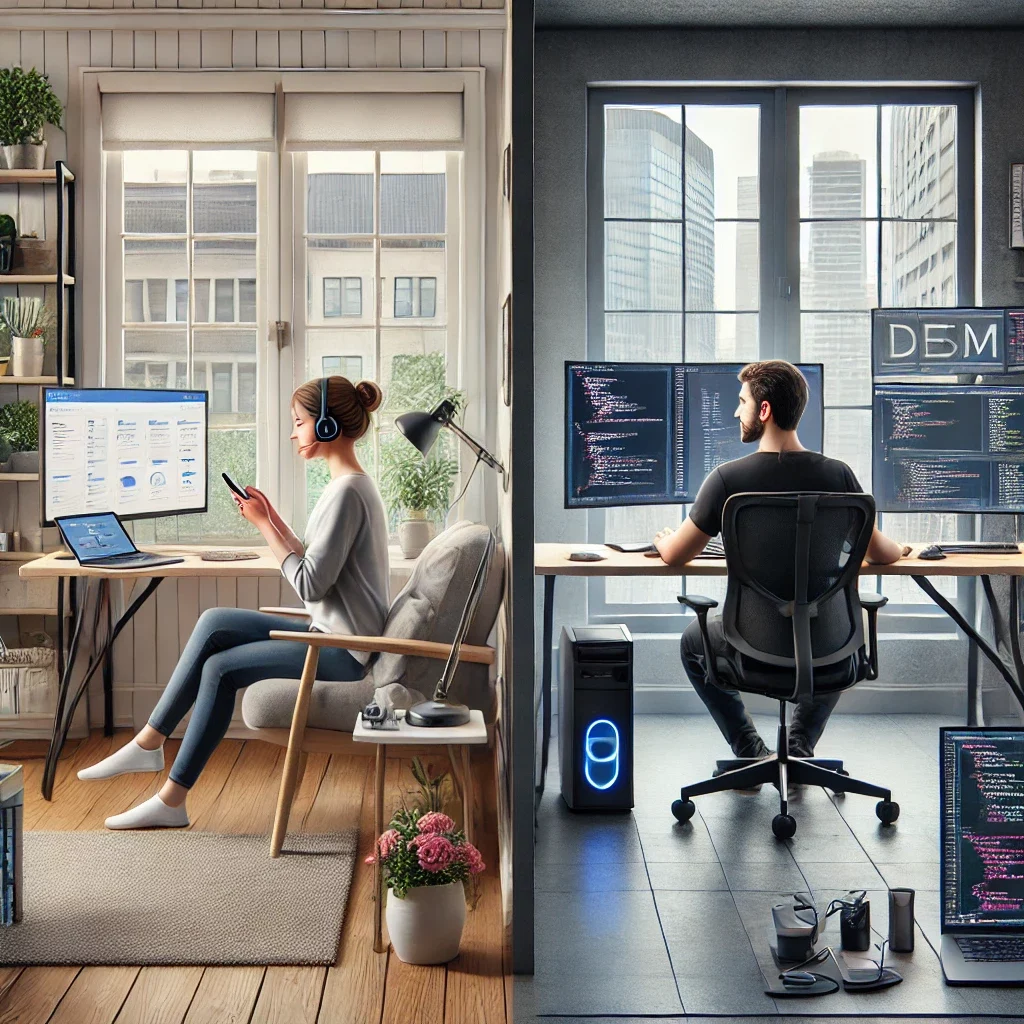
Definition and How Artificial Intelligence Works
Artificial Intelligence refers to a group of technologies capable of imitating certain human cognitive functions such as reasoning, learning, and decision-making. Its operation relies mainly on algorithms and machine learning models , allowing systems to improve as they process new data.
In practical terms, this means AI can recognize images, understand natural language, provide recommendations, and even generate computer code. In everyday life, AI applications are already everywhere: voice assistants such as Alexa and Siri, spam filters, autonomous vehicles, and personalized recommendations on streaming platforms like Netflix.
This widespread presence clearly demonstrates that AI is no longer a technology of the future — it has already become an essential part of modern life, particularly in highly innovative countries like the USA, where digital transformation continues accelerating across all industries.
Why Can Artificial Intelligence Be Frightening for Developers?
One of the biggest concerns developers face is the idea that AI could eventually automate software development entirely. Tools such as GitHub Copilot, ChatGPT, and other code-generation systems already demonstrate that part of programming work can now be handled by intelligent systems.
For developers, seeing a machine write code within seconds can naturally feel threatening.
Additionally, AI continues progressing at an extremely fast pace. It learns from millions of open-source projects, identifies best coding practices, and proposes optimized solutions. This execution speed, combined with rapid debugging capabilities, creates understandable concerns that human developers may become less necessary.
However, this view remains incomplete, because creativity, intuition, and understanding complex project contexts remain strengths that belong primarily to human professionals.

Current AI Capabilities in Software Development
Today, AI functions mainly as an assistance tool that improves developer productivity. It can:
- Generate code from natural language descriptions.
- Identify bugs and security vulnerabilities.
- Suggest performance optimizations.
- Automate repetitive tasks such as writing unit tests.
- Help developers learn new programming languages and frameworks through intelligent suggestions.
These capabilities allow developers to save time and focus more on the strategic and creative aspects of their work.
In reality, rather than replacing developers, AI acts more like a copilot that significantly increases efficiency.
This trend is especially visible in the USA, where technology companies increasingly integrate AI-assisted development tools into their engineering workflows.
AI Is a Tool, Not a Replacement
Contrary to popular fears, AI is not designed to eliminate the role of software developers.
AI systems operate only based on data and models they have learned from, without truly understanding the complete context of a project. For example, an AI system may generate a useful function, but it will not always understand how to integrate that function effectively within a large and complex software architecture.
Additionally, certain human skills remain beyond machine capability: innovation, designing entirely new solutions, understanding subtle client requirements, and making high-level architectural decisions.
The future of software development therefore does not lie in a conflict between humans and machines, but rather in intelligent collaboration where each contributes unique strengths.

Practical Advice for Integrating AI into Development
To fully benefit from AI, developers must learn to use it as a strategic ally. Here are several practical recommendations:
- Become familiar with existing tools such as GitHub Copilot, ChatGPT, and Tabnine.
- Use AI to automate repetitive tasks and free time for innovation.
- Carefully verify and adjust AI-generated code rather than copying without review.
- Combine human expertise with AI assistance to build robust and customized solutions.
- Participate in open-source communities to exchange best practices for AI integration.
Adopting this approach allows developers not only to improve productivity but also strengthen their professional value in a rapidly changing technological environment.
This mindset is becoming increasingly important for developers working in the competitive technology ecosystem of the USA.
Staying Updated with Rapid AI Evolution
The world of artificial intelligence evolves extremely quickly, and developers must continuously stay informed about new trends.
This includes:
- Continuous learning through online courses, tutorials, and specialized conferences.
- Technology monitoring to follow the evolution of AI frameworks and open-source libraries.
- Regular experimentation with emerging tools.
- Developing complementary skills such as cybersecurity, AI ethics, and big data management.
By remaining curious and proactive, developers can transform AI from a potential threat into a powerful source of innovation and new career opportunities.
This is particularly relevant in the USA, where artificial intelligence continues reshaping nearly every technology-driven profession.

Conclusion: A Future of Co-Creation
Artificial intelligence does not represent the end of software development — it represents the beginning of a new era of collaboration.
By understanding its definition, its functioning, and its growing role in everyday life, developers can move beyond their initial fears . AI is becoming a professional partner capable of accelerating development processes and opening entirely new possibilities.
The future of developers therefore depends on their ability to integrate AI, evolve alongside it, and continue developing uniquely human skills that remain impossible to automate.
Rather than opposing humans and machines, it is time to imagine a future where developers and artificial intelligence work hand in hand toward building increasingly powerful, innovative, and intelligent solutions — especially in technology-driven nations such as the USA.

Secrétariat de direction et ère numérique : une transformation en profondeur du métier
Lire la suite


