
Introduction to Data Annotation
In 2026, the USA continues to strengthen its position as a global leader in the development of Artificial Intelligence (AI). At the heart of this technological transformation is data annotation, an essential process for training AI models. Without accurately annotated data, even the most advanced algorithms cannot deliver reliable and accurate results. Whether performed manually or with automated tools, data annotation is a critical stage in the lifecycle of AI projects throughout the USA.

What Are AI Data Annotation Services?
AI data annotation services include all the processes used to label, categorize, and enrich the datasets required for artificial intelligence systems. In the USA, these services cover a wide range of tasks, including image annotation, video annotation, audio labeling, and text annotation through Natural Language Processing (NLP) . Their purpose is to provide AI algorithms with structured, organized information that enables efficient machine learning.
How Do AI Data Annotation Services Impact Artificial Intelligence Model Training?
The success of AI model training depends on the quality and accuracy of annotated data. In the USA, data annotation enables AI systems to recognize patterns, classify information, and make more accurate decisions. For example, in healthcare, properly annotated medical images help AI detect abnormalities in X-rays and scans. In the financial sector, annotated datasets support fraud detection and automate risk management processes.

Why Outsource Data Annotation Services?
Many businesses across the USA choose to outsource data annotation services . This approach offers two major advantages: reducing the costs associated with maintaining specialized in-house teams while benefiting from experienced professionals. Outsourcing also improves efficiency, accelerates project completion, and ensures compliance with strict data security and confidentiality standards.
What Types of Data Require Annotation for AI Projects?
Different types of data require annotation, including:
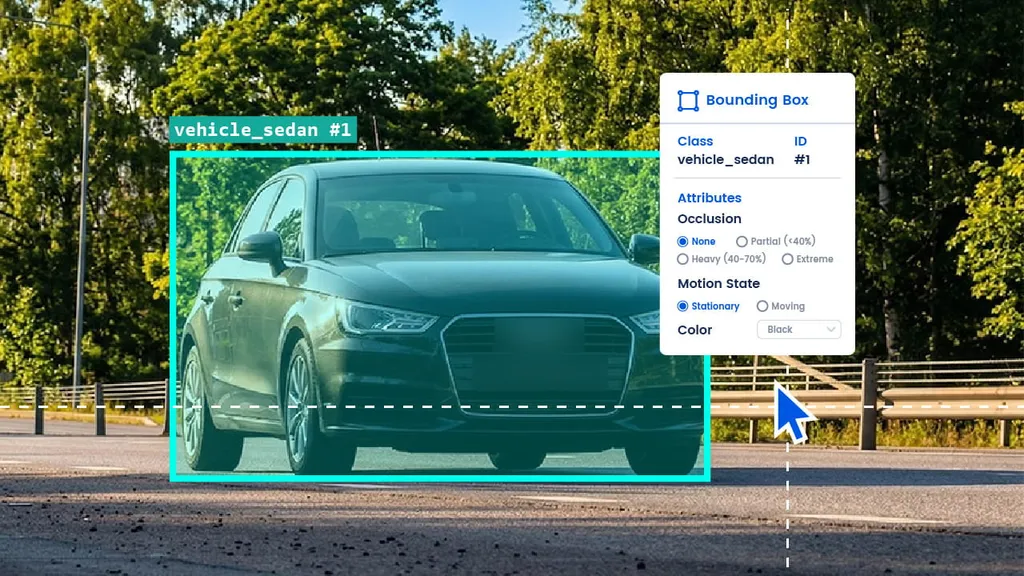
- Images (facial recognition, autonomous vehicles)
- Videos (security monitoring, intelligent surveillance)
- Audio (voice assistants, speech recognition)
- Text (chatbots, machine translation using Natural Language Processing)
In the USA, these datasets are widely used across industries such as healthcare, automotive technology, cybersecurity, finance, and e-commerce.
How Can the Quality of Annotated Data Be Guaranteed?
Maintaining high-quality annotations is essential for successful AI projects. Organizations in the USA use several quality assurance methods, including:
- Manual double verification.
- AI-powered quality control algorithms.
- Reinforcement learning techniques that continuously improve AI models.
- Comprehensive training programs for professional data annotators.
- Well-defined annotation guidelines and validation procedures.
These practices ensure that AI models learn from accurate and consistent data.
What Challenges Does AI Data Annotation Face?
Data annotation projects in the USA face several important challenges:
- Processing massive volumes of data.
- Protecting sensitive and confidential information, especially in healthcare.
- Managing the time and costs required for high-quality annotation.
- Reducing annotation bias that could negatively affect AI model performance.
Successfully addressing these challenges requires both advanced technology and experienced human expertise.
Should Companies Build Their Own Data Annotation Tool?
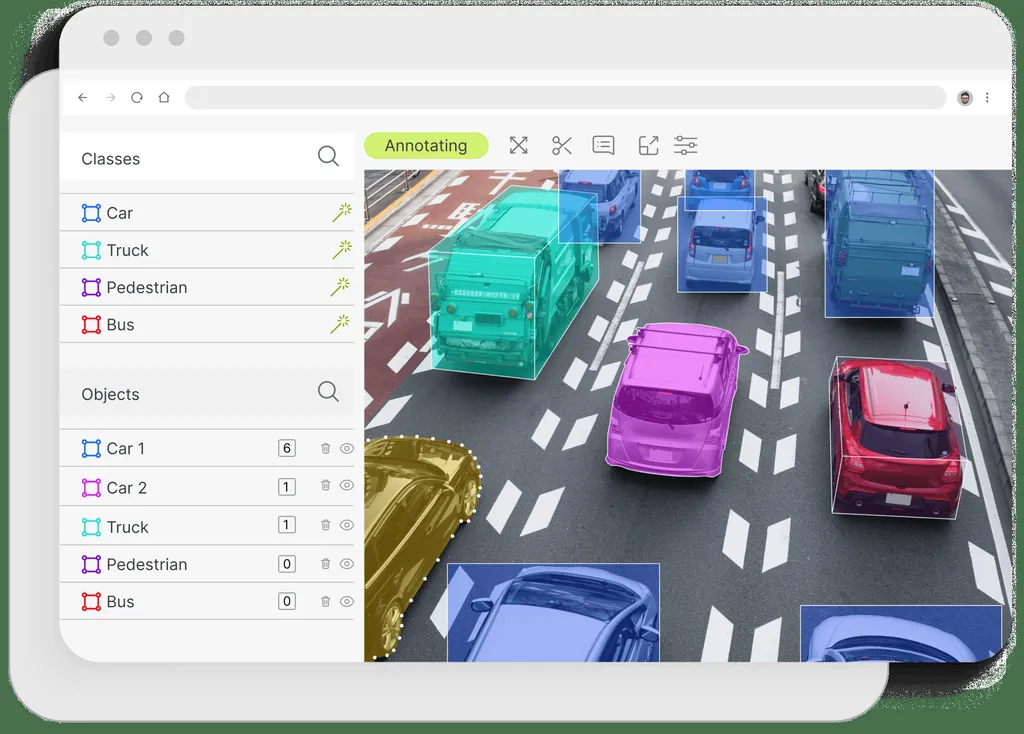
Some organizations in the USA develop proprietary annotation platforms to maintain complete control over their workflows. Although this approach offers greater customization, it requires significant investments in software development and maintenance. Other companies prefer specialized annotation platforms that are faster to deploy, scalable, and easier to maintain.
Choosing the Right Data Annotation Tool
Selecting the appropriate annotation platform depends on the project requirements. For Natural Language Processing, specialized text labeling tools are ideal. Computer vision projects require image segmentation and video annotation software. Companies in the USA increasingly choose solutions that combine AI-assisted automation with human supervision to maximize both productivity and annotation accuracy.

What Tools and Technologies Support AI Data Annotation Services?
In 2026, AI data annotation services in the USA rely on a combination of advanced technologies, including:
- Speech recognition software.
- Image segmentation tools.
- Collaborative annotation management platforms.
- Reinforcement learning algorithms.
These technologies significantly accelerate annotation processes while maintaining exceptional levels of accuracy.
Which Industries Benefit the Most from AI Data Annotation Services?
Several industries throughout the USA benefit greatly from data annotation, including:
- Healthcare (AI-assisted medical diagnosis)
- Automotive (autonomous driving technologies)
- Security (intelligent video surveillance)
- Retail and e-commerce (personalized customer experiences)
- Finance (predictive risk analysis and fraud detection)
These industries rely on high-quality annotated data to build smarter and more reliable AI systems.

How Does AI Data Annotation Drive Innovation in Specialized Industries?
Data annotation goes far beyond AI training. It drives innovation by enabling the development of cutting-edge technologies. Across the USA, startups and technology companies are creating AI-powered solutions for precision agriculture, education, renewable energy, robotics, logistics, and smart manufacturing using accurately annotated datasets.
How Do Manual and Automated Annotation Work Together?
Rather than competing, manual and automated annotation complement one another. Automated systems rapidly process large datasets, while human annotators verify results, correct errors, and handle complex cases requiring contextual understanding. In the USA, this hybrid approach has become the preferred strategy for delivering highly accurate and efficient AI data annotation projects.

Conclusion
In 2026, data annotation remains one of the fundamental pillars of Artificial Intelligence innovation in the USA. From healthcare and finance to autonomous vehicles and cybersecurity, accurately labeled data enables AI systems to learn, improve, and make dependable decisions. By combining human expertise with advanced automation technologies, organizations can develop intelligent systems that drive innovation, improve operational efficiency, and shape the future of AI across the USA.


