In today’s world, where consumers are constantly exposed to advertising messages and endless visual content, brand identity plays a crucial role in a company’s communication strategy. Among all branding elements, the logo stands out as the face of the business. It is often the very first thing customers notice and the element that strongly shapes how they perceive a brand. But can a well-designed custom logo truly transform the way people see your business? The answer is yes — especially in highly competitive markets like New York, where standing out is essential. Let’s explore this through three essential dimensions: the psychological impact on your audience, the key elements of a successful logo, and its foundational role in overall branding.
The Psychological Impact of a Logo on Your Audience
A logo is never just a simple image. It carries meaning, values, and emotions. Shapes, colors, typography, and even visual balance all trigger subconscious reactions from your audience. For example, blue often inspires trust and stability, red conveys energy and action, while green is associated with nature and calmness.
When a customer discovers a brand for the first time, the logo is often the very first point of contact. Within just a few seconds, it can generate curiosity, confidence, or on the contrary, distrust. A poorly designed logo can make a business look unprofessional, while a carefully crafted custom logo aligned with your brand values instantly communicates professionalism and credibility.
In major business centers like New York, where competition is intense and first impressions matter greatly, branding decisions can directly impact business growth. Marketing psychology studies consistently show that consumers unconsciously associate logo quality with company credibility. Investing in custom logo design is therefore not simply an aesthetic decision — it is a strategic move to positively influence customer perception and engagement.

The Key Elements of a Great Logo
A successful logo is far more than something visually attractive. It must meet several essential criteria:
Simplicity
An effective logo must be memorable. The world’s most famous logos — Apple, Nike, and McDonald’s — are built on visual simplicity, making them instantly recognizable.
Relevance
The design should reflect your company identity and industry. A law firm in New York would never use the same graphic style as a creative startup or a fashion brand.
Versatility
A strong logo should work across multiple platforms: websites, social media, product packaging, business cards, billboards, and digital advertising.
Timelessness
Design trends constantly evolve, but a logo should remain relevant for years. Choosing timeless visual elements helps businesses avoid expensive rebranding every few years.
Uniqueness
This leads to a critical question: How do you create a truly unique brand logo? The process requires research, competitor analysis, and incorporating distinctive elements connected to your brand story and values.
Another key factor is personalization. Working with the best custom logo designer allows businesses to receive not only a visually appealing design but also a strategic branding solution. Every detail — from typography to color selection — must reflect the DNA of the company.
Choosing the Right Logo: The Foundation of Your Global Branding Strategy
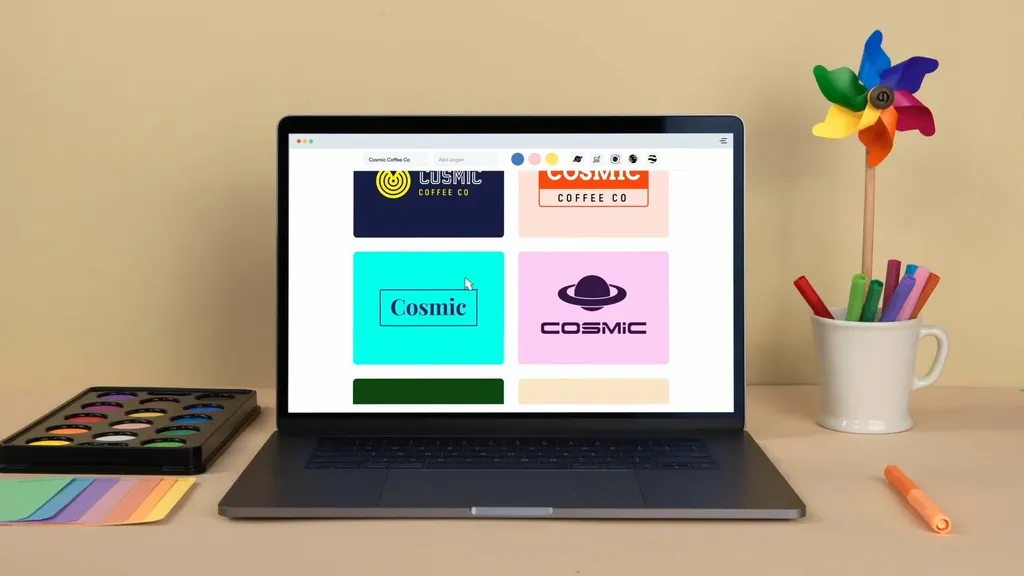
A logo is much more than a graphic signature — it is the cornerstone of your entire branding strategy. Every visual element of your company, including color palette, typography, website style, graphic guidelines, and marketing materials, originates from it. A strong logo acts as a visual anchor and guarantees consistency across all communication channels.
When designed specifically for your business, a custom logo becomes a powerful recognition tool. It unites employees around a shared identity, reassures business partners, and strengthens customer loyalty.
Imagine a company operating in New York’s competitive marketplace without a strong visual identity. Its message becomes diluted, its image weakens, and its visibility quickly fades compared to competitors with stronger branding.
A custom logo is not simply a design asset — it is a long-term strategic investment. It helps build a memorable identity that differentiates your business in crowded markets. This is why choosing the right logo should never be taken lightly. By working with a professional designer or a specialized branding agency, you create the solid foundation upon which your entire brand reputation will grow.

Conclusion
So, can a great logo truly influence how people perceive your brand? The answer is absolutely yes.
A logo acts as a psychological trigger, communicates your company values, and shapes the way customers perceive your business. Beyond aesthetics, a custom logo becomes the foundation of a strong and consistent brand identity.
Asking yourself “How do I create a unique brand logo?” is not a luxury — it is a necessary step for building a powerful and lasting brand image.
And if your goal is to make a lasting impression in competitive markets like New York, partnering with the best custom logo designer may be one of the smartest decisions you can make to give your business the professional identity it truly deserves.