
Digital Design: Definition and Foundations
Digital design refers to all graphic creations that are designed for and used within digital environments. Across the USA, businesses increasingly rely on digital design not only for aesthetics but also to improve user experience, interface usability, and emotional engagement. Unlike traditional design, digital design leverages modern technologies to communicate messages, capture attention, and build a strong visual identity that strengthens a brand’s online presence.
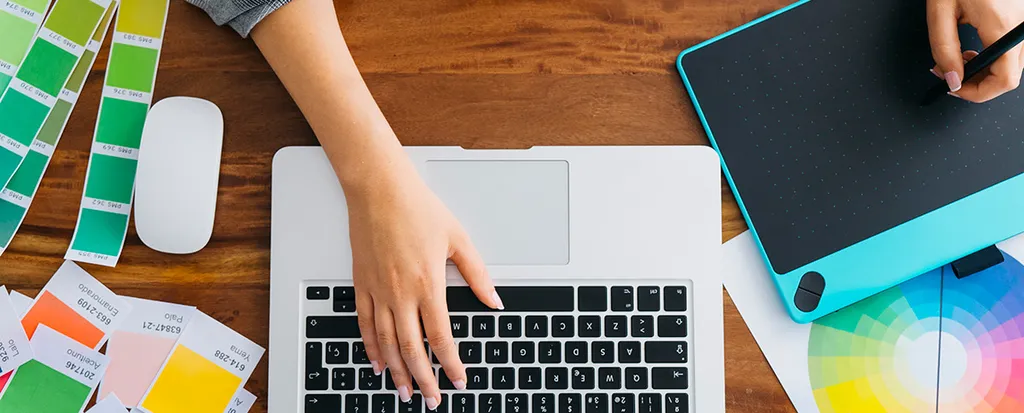
Digital Design vs. Graphic Design: What’s the Difference?
Graphic design has traditionally focused on printed materials such as posters, brochures, magazines, and logos. Digital design, on the other hand, is created specifically for digital platforms, including websites, mobile applications, and social media.
The biggest distinction is interactivity. Digital design encourages users to engage with content in real time, creating a more immersive experience. Nevertheless, graphic design and digital design complement one another, especially during a visual identity redesign , where a printed logo must often be adapted for digital platforms used throughout the USA.
When Design Meets Development
Digital design cannot exist independently—it works hand in hand with web and software development. Designers create layouts, color schemes, typography, and user experiences, while developers transform those concepts into fully functional digital products.
This collaboration between creativity and technology is essential. For example, a well-designed user experience (UX) must be supported by optimized development to deliver speed, responsiveness, and accessibility across all devices.

The Main Areas of Digital Design and Their Applications
Digital design covers a wide range of disciplines, each serving specific business objectives.
These include:
- Website design
- Mobile application design
- Infographic design
- 3D design
- Interactive media
- Digital branding
Companies throughout the USA use these digital design solutions to strengthen communication, attract customers, and stand out in an increasingly competitive online marketplace.
Website Design: Your Essential Digital Storefront
A professional website is often the first interaction between a company and its audience. Its design should combine visual appeal with excellent usability, accurately reflecting the company’s personality while engaging visitors within seconds.
Effective web design relies on visual hierarchy, readability, responsive layouts, and intuitive navigation that works seamlessly across desktops, tablets, and smartphones.

Landing Page Design: Converting Through Design and Usability
A landing page is specifically created to encourage users to take a particular action, such as making a purchase, subscribing to a newsletter, or requesting information.
Successful landing page design combines clean layouts, strategic color choices, compelling call-to-action buttons, and persuasive messaging to maximize conversion rates and improve marketing performance.
Mobile App Design: Combining Simplicity and Innovation
With smartphones becoming an essential part of everyday life, mobile applications have become indispensable for businesses across the USA.
A successful mobile application combines elegant design with intuitive navigation. Users should easily find what they need while enjoying a smooth, visually engaging experience.

Icon Design: Small Details with a Big Impact
An app icon is often the very first impression users have of a digital product.
A successful icon should be simple, recognizable, memorable, and aligned with the company’s overall visual identity. Many businesses extend their graphic logo into icon design to ensure consistent branding across digital platforms.
Infographic Design: Telling Stories Through Visuals
Infographics transform complex information into engaging visual content that is easier to understand and share.
Digital design allows businesses to communicate statistics, processes, and ideas more effectively, making infographics valuable tools for content marketing, education, and social media campaigns.

3D Design: Bringing Ideas to Life
3D design adds realism, depth, and immersion to digital experiences.
Whether used for product presentations, architectural visualization, advertising, gaming, or interactive experiences, 3D design expands creative possibilities while enhancing customer engagement.

Careers in Digital Design
Digital design includes numerous specialized professions, each contributing unique expertise to digital projects.
Graphic Designers: Guardians of Brand Identity
Graphic designers create visually consistent materials, from corporate logos and branding assets to digital illustrations and marketing graphics.
Their primary mission is to strengthen brand recognition through consistent visual communication.
UX Designers: Creating Exceptional User Experiences
UX designers focus entirely on the user’s journey.
They analyze customer needs, identify usability challenges, and design intuitive experiences that improve satisfaction and engagement.
Web Designers: Crafting Attractive Digital Interfaces
Web designers specialize in the visual appearance and layout of websites.
Their goal is to create interfaces that are both visually appealing and easy to navigate while supporting business objectives.
Mobile App Designers: Designing for Mobility
Mobile designers create interfaces specifically optimized for smartphones and tablets.
They combine usability, speed, accessibility, and visual creativity to deliver exceptional mobile experiences.

What Defines Successful Digital Design?
Successful digital design goes far beyond attractive visuals.
It combines:
- Strong visual aesthetics
- Excellent functionality
- Emotional engagement
- Brand consistency
- User-friendly interaction
- Trust and credibility
A well-designed digital experience reflects a company’s identity while making it easy for users to accomplish their goals.
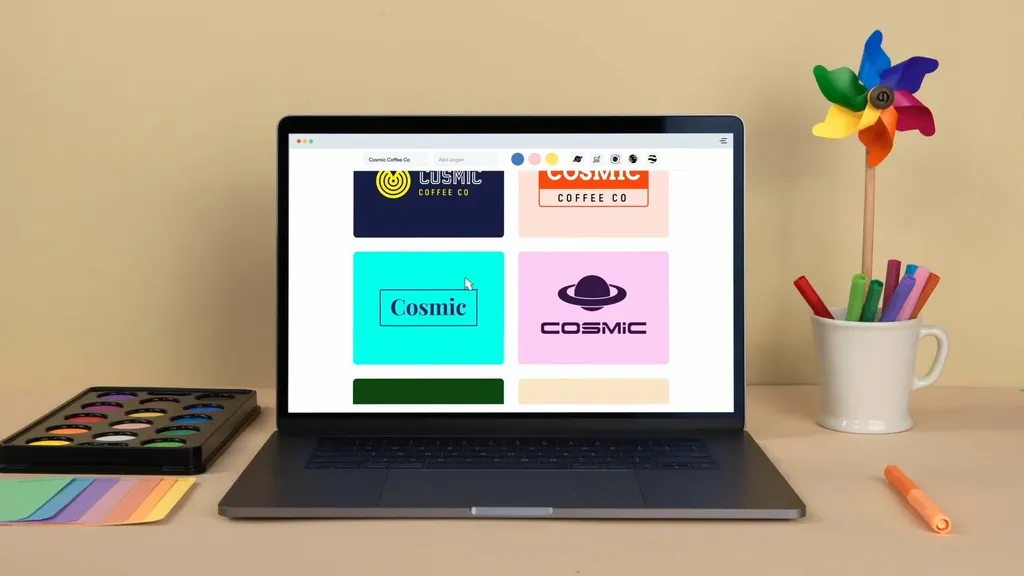
Why Digital Design Represents the Future of Design
As digital transformation accelerates across the USA, digital design has become one of the most important pillars of modern communication.
It shapes customer experiences, supports digital marketing strategies, strengthens visual identity redesign projects, and helps businesses remain competitive in an increasingly connected world.
More than simply following trends, digital design represents the future of branding, communication, customer engagement, and online business success. Organizations that invest in high-quality digital design today will be better positioned to build stronger brands, create memorable customer experiences, and thrive in tomorrow’s digital economy.


Externalisez vos tâches fastidieuses : boostez votre productivité et réduisez vos coûts avec un prestataire offshore
Lire la suite


